|
|
| Event Status
|
2022 event now complete!
| | Dates | September 8-11, 2022 (Thursday - Sunday) Start: 4:00 am
| Deadline | August 1 - to register and to qualify. DETAILS
| Rider Limit | 43
| Entry Fee | $225 (lodging) or $150 (no lodging)
- fee includes dinner and breakfast at three overnight checkpoints,
and your dropbag transported to each overnight checkpoint in turn;
lodging option includes lodging in motel rooms (double occupancy) at the first two overnight checkpoints.
| Qualification | 200km, 300km, 400km, and 600km brevets
... or 1000km+ since July 1, 2021 DETAILS
| 1000k Option | Same qualification and within same rider limit as 1200k.
| Registration | An application + payment reserves you a place on the rider list (or waiting list if the rider cap has been reached), pending your qualification.
DETAILS
| | Jersey/Vest | Jerseys (short sleeve, sleeveless), vests (wind, thermal).
| Climbing | 22,000 ft. (RWGPS)
| Elev. Range | 5,300 ft. (start/finish) - 1,950 ft. (Kansas turnaround)
| | | | | | | | |
The Ride
The route is essentially an out-and-back from Boulder County, at the foot of
the Colorado Front Range, across the Colorado eastern plains and into the
western part of Kansas. Open, expansive terrain, with the climbing in 50 and 100 foot rollers.
This, plus the likelihood of some wind, encourages riding together and
the camaraderie this brings.
Historical Note — The Colorado Last Chance is the third oldest US Grand Randonnée, first held in September, 2001, three months after
the second US 1200k, the Gold Rush Randonnée, with Boston-Montréal-Boston being the first.
Support, Logistics, and Checkpoints —
Limited support is provided, including some roving
course monitoring. Three bagdrop opportunities are offered (at two sites). While personal support is not encouraged, personal
support vehicles are permitted on the route, and because there are few
alternate roads. However,
they are allowed to meet and help riders only at the official checkpoints,
except in case of emergency. Checkpoints are at
establishments along the route, not staffed by event
officials, except for the bagdrop sites, which are staffed. Food and drink are provided at the bagdrop checkpoints (included in fee).
Consult the rider info page for where services are located along the route, and their opening times. Some towns do not have all-night services,
and Eastern Colorado outbound is especially sparse, so factor this into your riding plans.
Stages and Accommodation
— As much of the route is sparsely populated, we recommend certain stage
lengths, with limited night riding. The stages 248, 219,
169, and 112 miles, respectively. At these points, food and bagdrop are provided, and at the first two, lodging is provided -
included with the lodging-option entry fee.
Those going for a faster time can make use of the bagdrops, but will need to ride
longer stages. Lodging (noted on Rider Info) is also available in a number of the towns along the route in Kansas, and a few in Eastern Colorado.
Weather —
September traditionally offers tranquil weather in Colorado with mild
temperatures. Danger of tornadoes, thunderstorms, lightning, hail, snow,
and high (chinook) winds are low. Mean daily temperature range for the
Front Range at this time are 48°F to 77°F (9°C to 25°C). However, it is common
to encounter highs in the 90's as you descend into Kansas, and temps can dip into
the upper 30's at night in Colorado.
Terrain —
The route is rolling to strongly rolling, characterized by wide expanses
and areas with few trees. Agriculture, grazing land, and cactus-populated
sandhills predominate in eastern Colorado, crops and grazing in Kansas. The
final stage of the route offers a vista of the Rocky Mountain Front Range. Maximum altitude
is 5400 ft. at the start/finish, which should not greatly riders coming from lower elevations.
Traffic —
Traffic on most of the course is moderate to low. This country is
sparsely populated, I-70 and I-76 drawing away the bulk of through
traffic, leaving our route relatively quiet.
There is some truck traffic between Norton and Oberlin, KS.
Registration
Sending an application and entry fee gains you a spot on the Confirmed Rider List if there are spots available, or on the Waiting List
if the Confirmed Rider List is full. This lets riders plan ahead before they've finished qualifying, while encouraging folks to free up their spots should their plans change.
Priority - Registration is based on when your application and payment were received,
except for first-day registrants (below).
First Day Registrants - If more than the rider limit register and pay on the first day -
which is the first 24 hours after registration opens -
we will use a lottery process to place those riders on Confirmed vs. Waiting lists.
This is to alleviate stress about feeling you have to submit your application the moment registration opens.
Payment - You may pay online using PayPal (using your credit card or PayPal account).
Qualification - You may apply before qualifying. If you have not yet qualified,
e-mail us the details when you do complete qualifying.
If you have not qualified by the qualification deadline and haven't made special arrangements with us, your spot will be freed.
If the qualification deadline poses difficulties for you,
contact us.
Cancellation - You may cancel by notifying us and receive a full refund if you are on the Waiting List,
or a partial refund if you are on the Confirmed list. Preliminary policy for confirmed riders:
♦ Before June 1: full refund minus $25
♦ June 1- July 31: full refund minus $50
♦ August 1 and after: full refund minus $75 refund if your spot is filled (from waitlist); otherwise, no refund.
Qualifying
Qualifying Events - Riders must complete, between July 1, 2021 and August 1, 2022, a Super-Randonneur series
(200km, 300km, 400km, 600km brevets), or a 1000km or longer randonnée.
Brevets do not need to be ridden in order of increasing distance. ACP, RM, or RUSA-sanctioned non-ACP events can be used.
Substitutions - A longer-distance brevet can be substituted for a given distance requirement - for example,
an ACP 300km brevet or a RUSA 250km brevet for the 200km requirement.
A RUSA Permanent can be substituted for the 200km, 300km, or 400km requirement,
with approval of the organizer
(based on individual circumstances, such as whether a local qualifying series is available).
You may apply to the organizer for other substitutions.
|
|

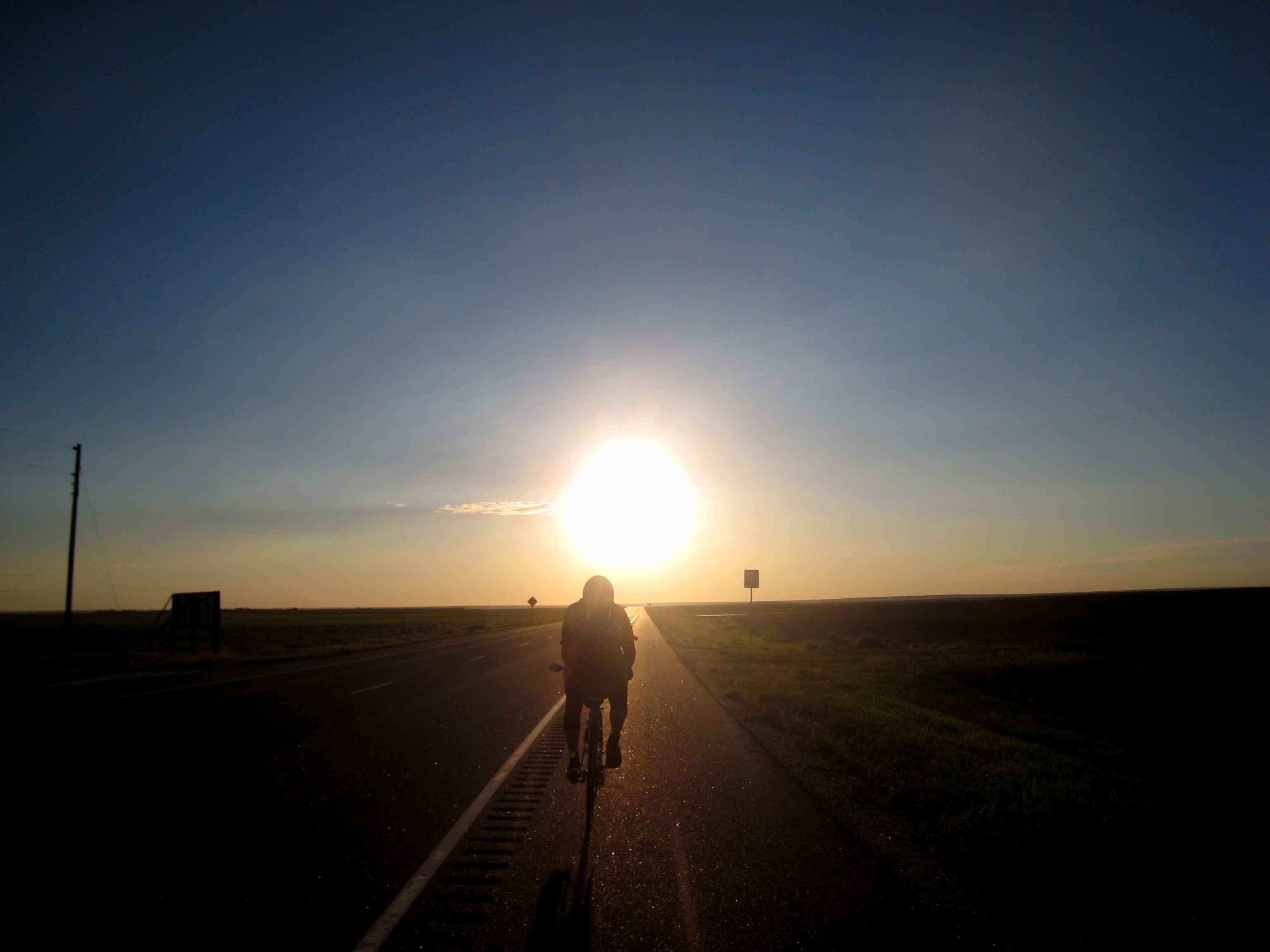
Last Chance Sunrise - Catherine Shenk photo
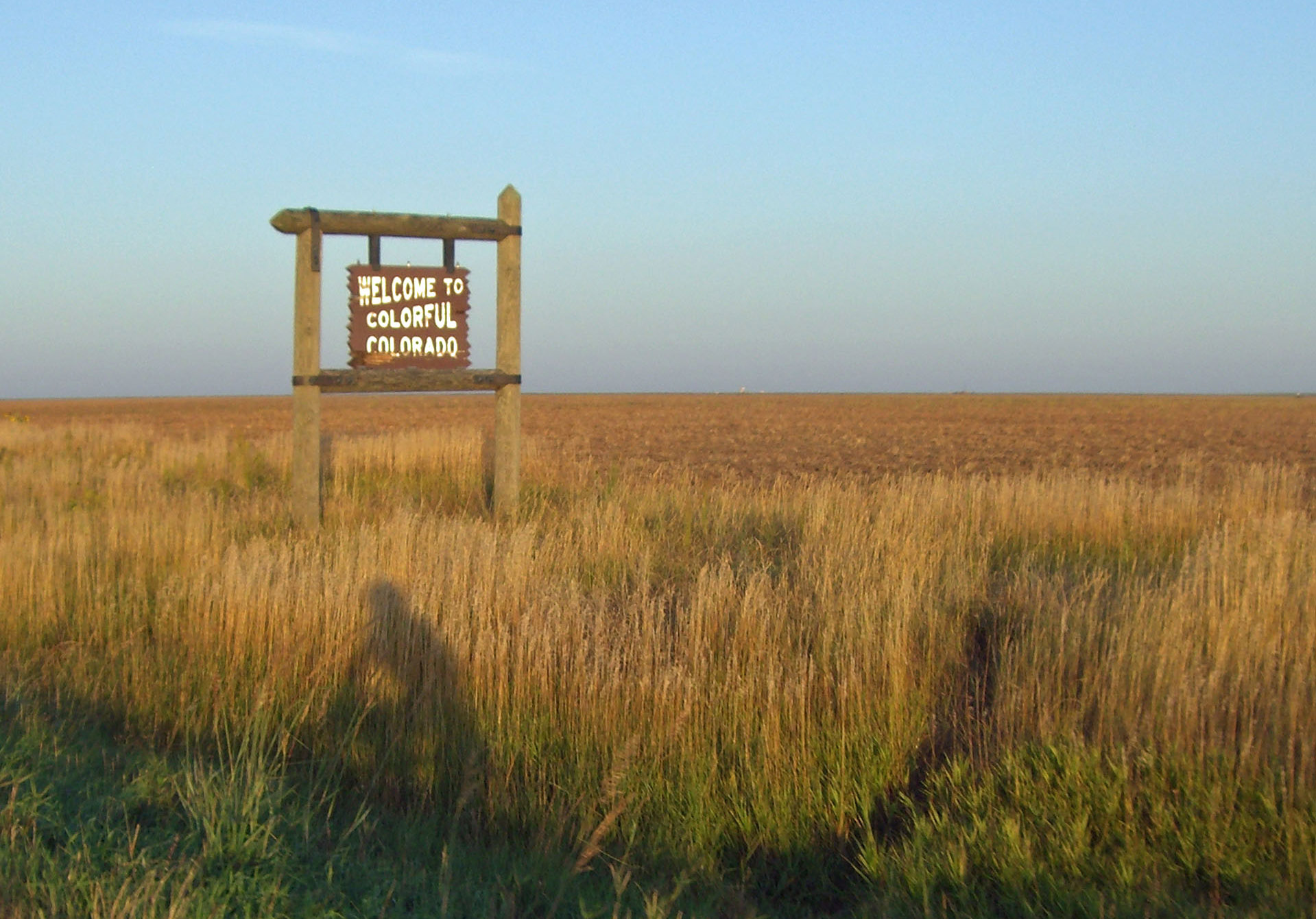
Colorful Colorado
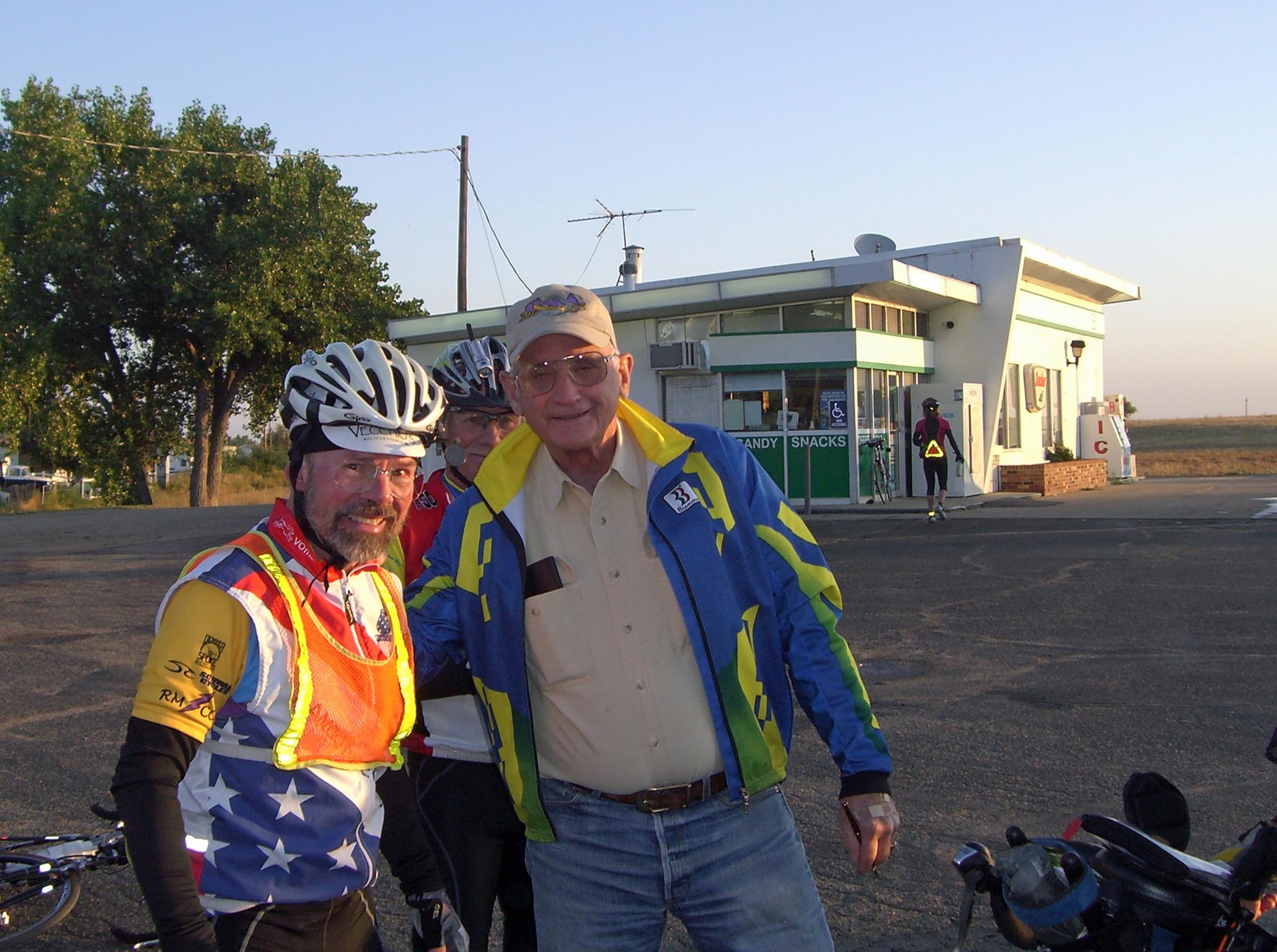
Trail Boss Charlie Henderson in Byers

Colorado Front Range on the Home Stretch
|